

What makes a visitor stop, step inside and stay in a space
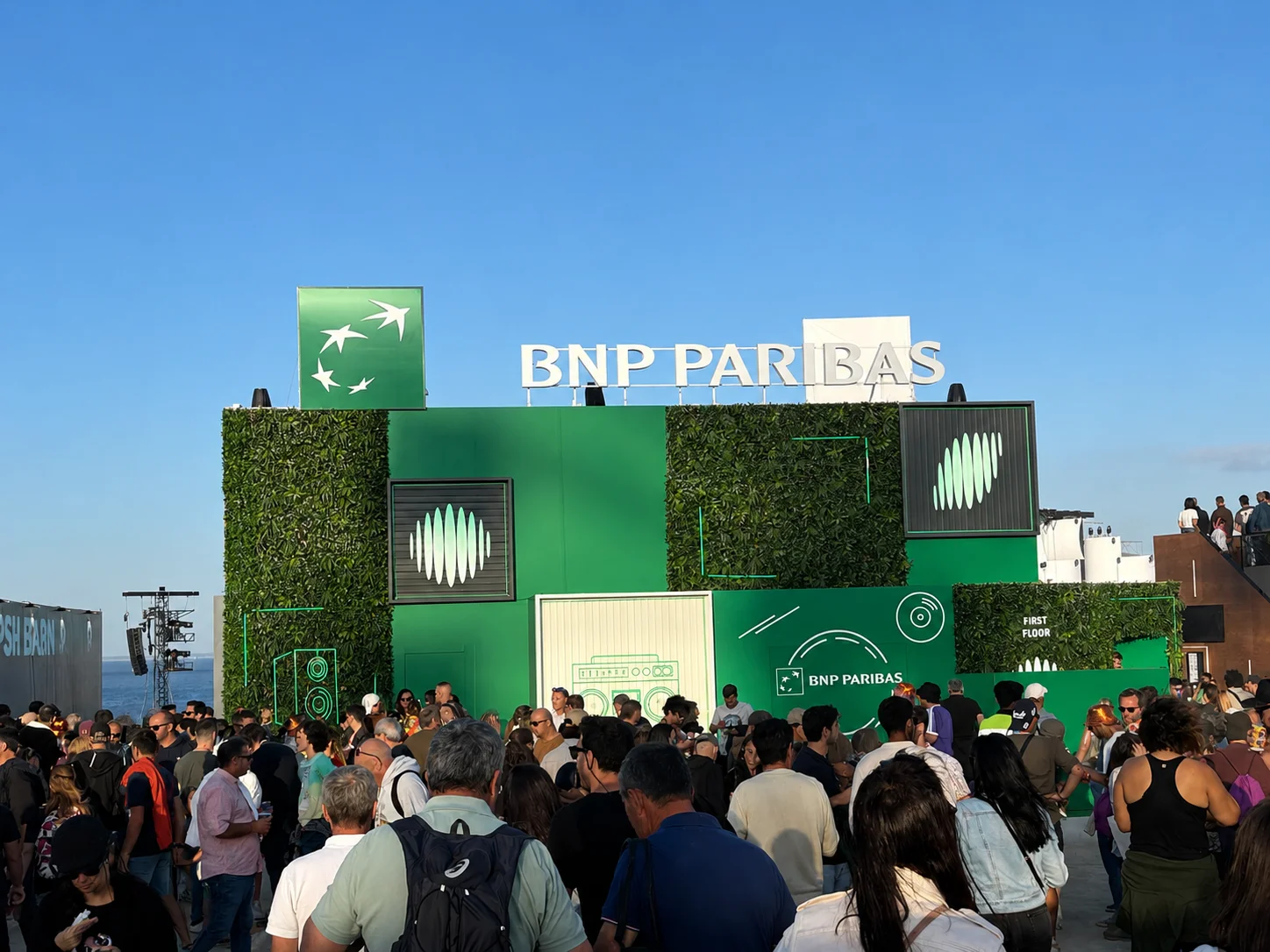
At an event, trade fair or brand activation, attention is one of the most fiercely contested resources. Hundreds of stimuli compete for visitors’ attention and, within seconds, they decide whether or not a space is worth approaching. But capturing attention is only the first challenge. The real goal is not simply to make someone look. It is to make them stop, step inside and stay.
It all begins with the first impression. Before any interaction takes place, visitors form a perception based on what they see. The architecture of the space, the clarity of the message, the lighting, the materials and the way each element relates to the next create a subtle invitation to explore. When identity, design and purpose are aligned, curiosity follows naturally.
Then comes the experience itself. An effective space is not necessarily the largest or the most technologically advanced. It is one that guides, engages and creates a sense of comfort. People stay where they find relevance, where they can quickly understand what is happening and where they feel their time is well spent.
This is precisely where design takes on a strategic role. More than creating visual impact, it is about designing journeys, facilitating interactions and transforming a visit into a meaningful experience. Every element contributes to the way a space is experienced, from the overall spatial organisation to the details that may initially go unnoticed.
In a context where attention is increasingly scarce, the spaces that truly work are those that successfully balance attraction, functionality and experience. Because ultimately, it is not simply about capturing attention. It is about creating reasons to stay.