

The evolution of international trade fairs and what to expect in the coming years
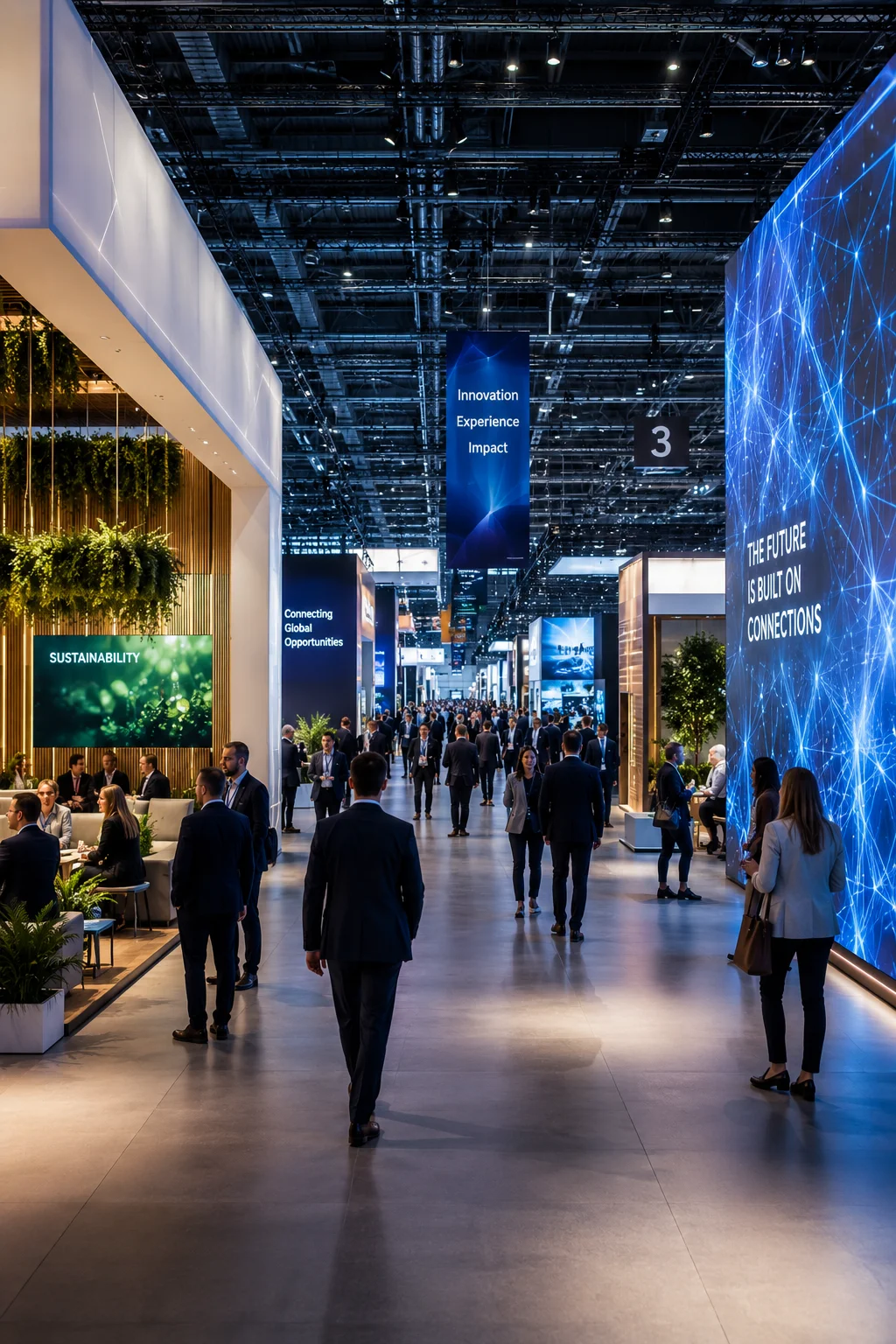
For decades, international trade fairs have provided a key platform for showcasing products, establishing connections and creating business opportunities. While this role remains relevant, the way brands and visitors engage with these events has changed significantly.
Nowadays, taking part in a trade fair is no longer just about making an appearance. It means creating experiences that capture attention, engage visitors and leave a lasting impression. In a world where information is available anywhere and at any time, the value of trade fairs lies increasingly in what cannot be replicated digitally: meeting people, interacting with them and sharing experiences.
This transformation has led brands to rethink the way they present themselves. Exhibition spaces are no longer simply places to showcase products; they have become environments for engagement, demonstration and brand building. Rather than merely displaying products, brands seek to tell stories, communicate their values and create more meaningful connections with their audiences.
At the same time, visitors have become more discerning. They look for relevant experiences, authentic interactions and content that makes their time at an event worthwhile. The quality of the experience has become just as important as the scale of the space or the visibility of the brand.
The future of international trade fairs appears to be moving precisely in this direction: more immersive experiences, greater integration between physical and digital environments, an increasing focus on sustainability and a growing emphasis on personalisation. Above all, however, there will continue to be a need to create opportunities for genuine encounters between people, businesses and ideas.
Because despite all the technological changes, trade fairs retain what has always made them relevant: their ability to bring people together in the same space to share knowledge, build relationships and create new opportunities.
And it is precisely this human dimension that will continue to shape their future.